
SEO title: Financial Inclusion Explained: How Digital Money Helps the Unbanked
Meta description: Learn what unbanked and underbanked mean, why people lack traditional banking access, and how digital wallets, mobile phones, and stablecoins may expand financial inclusion.
If you have ever felt that financial services were confusing, expensive, or difficult to access, you are not alone.
For millions of people around the world, opening a traditional bank account is not simple. There may be no nearby branch, the required identification may be difficult to obtain, or account fees may be too high for an irregular income. Others may have a bank account but still depend on check-cashing services, money orders, payday lenders, or other nonbank services.
This is where financial inclusion becomes important.
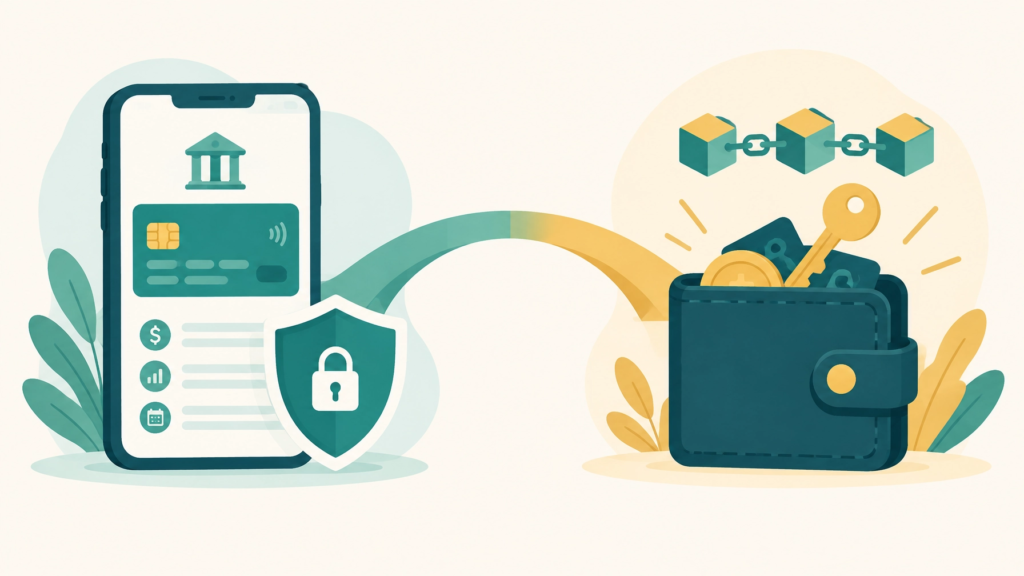
Financial inclusion means making useful, affordable financial tools available to more people. Digital money, mobile phones, digital wallets, and blockchain-based assets may help expand access. They are not perfect solutions, and they do not remove financial risk. But they are changing the way people can save, send, and receive value.
Let’s break down what financial inclusion means and how digital money may open more doors.
What Does “Unbanked” Mean?
Someone is considered unbanked when they do not have a checking or savings account with a bank or credit union.
An unbanked person may rely mainly on:
- Cash
- Prepaid cards
- Money orders
- Family or community networks
- Check-cashing services
- Mobile money services
- Informal ways of saving or sending money
Being unbanked does not mean someone is careless with money. Often, it means traditional banking does not fit their circumstances.
For example, someone living in a rural area may need to travel several hours to reach a bank branch. A worker paid in cash may not have enough money to meet a minimum balance requirement. A recent immigrant may not have the documents needed to open an account. Someone living in a country with an unstable local currency may not trust the traditional financial system to protect the value of their savings.
The Federal Deposit Insurance Corporation’s household survey archives provide research on unbanked and underbanked households in the United States.
What Does “Underbanked” Mean?
Someone is underbanked when they have a bank account but still use financial services outside the traditional banking system.
For example, an underbanked person may have a checking account but still use:
- Check-cashing services
- Nonbank money orders
- Payday loans
- Pawn shops
- Auto title loans
- Nonbank remittance services
- Reloadable prepaid cards
Why would someone with a bank account use these services?
The answer may be convenience, limited access, lack of credit history, high bank fees, or the need for a service the bank does not provide. A person may also have an account that is difficult to use because of overdraft charges, minimum balances, limited branch hours, or slow international transfers.
The terms “unbanked” and “underbanked” help explain that access is not only about having an account. It is also about whether people can use financial services in a practical, affordable, and reliable way.
Why Do Millions of People Lack Traditional Banking Access?
There is no single reason. Financial exclusion usually comes from several barriers working together.
Distance and limited infrastructure
In some communities, bank branches and ATMs are far away. Transportation may be expensive or unreliable. Even when a branch exists, its hours may not match the schedules of workers, caregivers, or small business owners.
Digital services can reduce the need to visit a physical location, but they still depend on a working phone, internet access, electricity, and basic digital skills.
Identification requirements
Banks and financial services typically need to verify a customer’s identity. This helps prevent fraud and financial crime, but it can also create problems for people who lack government-issued identification, proof of address, or formal documentation.
Migrants, refugees, people experiencing homelessness, and residents of countries with limited identity systems may face additional challenges.
Fees and minimum balances
Monthly fees, withdrawal charges, overdraft fees, transfer costs, and minimum balance requirements can make traditional accounts difficult to maintain.
When income changes from week to week, even a small unexpected fee can cause a serious problem. Some people choose cash or prepaid options because they are easier to understand or use on a day-to-day basis.
Unstable local currencies
In countries experiencing high inflation or currency instability, people may look for other ways to hold value. Some may save in foreign currency, physical goods, or digital assets.
A digital dollar or stablecoin may appear attractive because it is designed to track the value of a reference currency. However, it is important to remember that stablecoins are not the same as cash or insured bank deposits. Their value, availability, and ability to be redeemed depend on the asset, issuer, technology, and local rules.
Trust and past experiences
Some people avoid traditional banks because of previous account closures, unexpected charges, poor customer service, discrimination, or a general lack of trust.
Financial inclusion should not simply mean bringing people into a system without listening to their concerns. It should mean giving people clear information and meaningful choices.
How Digital Money Can Change the Picture
Digital money does not solve every problem, but it can create new ways to access financial tools.
Mobile access
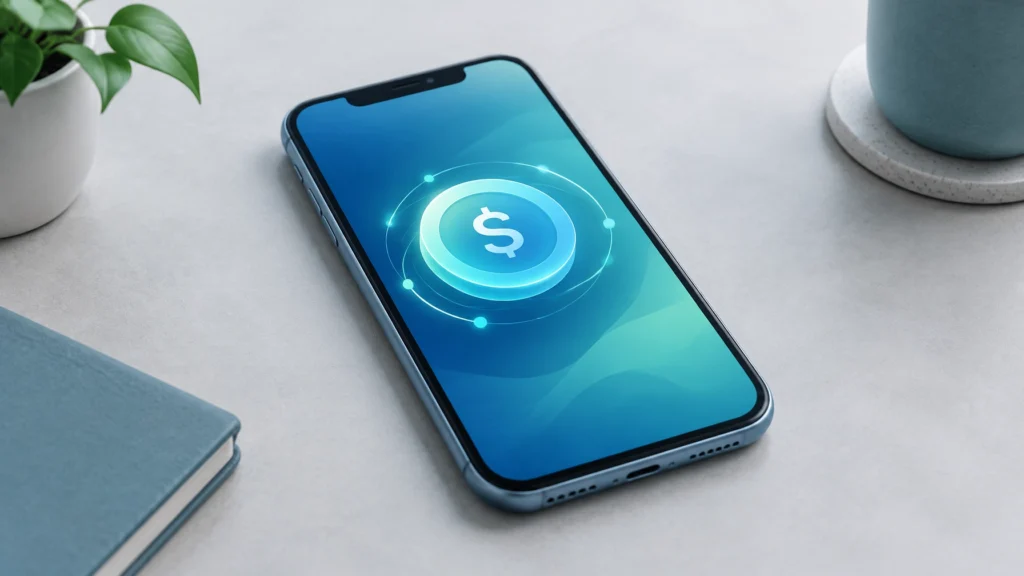
A mobile phone can act as a doorway to payments, savings tools, digital wallets, and financial education.
Mobile money services have helped people in some regions send and receive funds without depending on a traditional bank branch. In certain countries, local agents allow users to deposit or withdraw cash through nearby shops.
The Federal Reserve’s research on mobile financial services discusses how mobile phones may support access for unbanked and underbanked consumers.

Digital wallets
A digital wallet can help users store payment information or manage digital assets through a phone or computer.
Depending on the wallet, a person may be able to:
- Receive money
- Send payments
- Pay bills
- Hold digital assets
- Convert between currencies
- Review transaction history
- Access financial services without visiting a branch
Wallets may be custodial or self-custody.
With a custodial wallet, a company manages the access keys. This may be easier for beginners, but the user depends on the provider to maintain access and process transactions.
With a self-custody wallet, the user controls the access keys. This can reduce reliance on a single centralized institution and provide more direct control over digital assets. The trade-off is responsibility. If a recovery phrase is lost or shared, access may be difficult or impossible to restore.
Our guide to choosing a stablecoin wallet explains these differences in more detail.
Lower-cost and more flexible transfers
Digital networks may allow people to send money at any time, including evenings, weekends, and holidays. Some digital transfers may also cost less than traditional remittance services.
That does not mean every digital transfer is cheap. Network fees, conversion costs, withdrawal charges, account limits, and exchange-rate differences can still apply. Always review the total cost before confirming a transaction.
Stablecoins
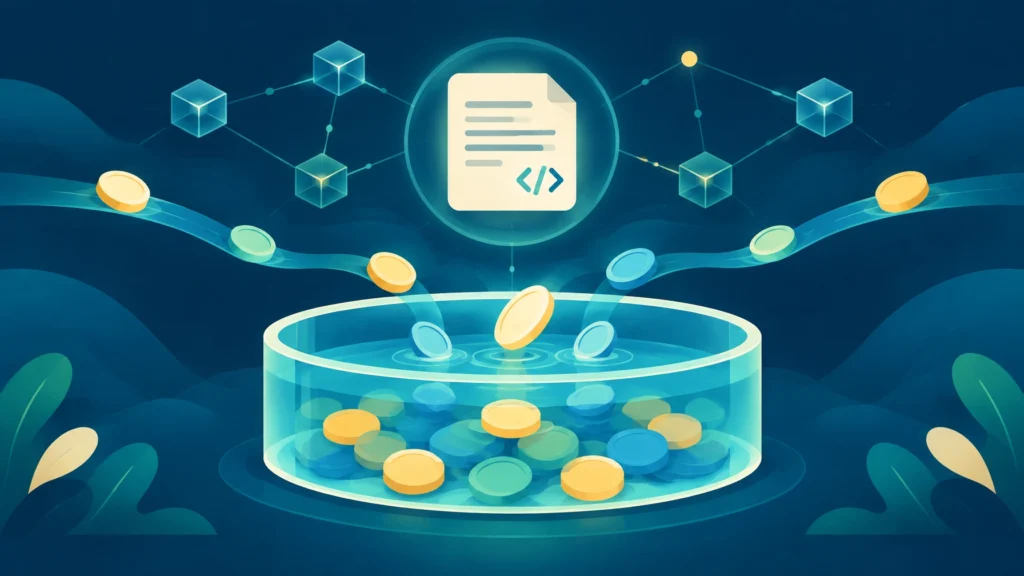
Stablecoins are digital assets designed to track the value of another asset, often a national currency such as the U.S. dollar.
For someone receiving money across borders, a stablecoin may provide a way to move dollar-linked value through a blockchain network. For someone living with an unstable local currency, it may offer another asset to study and compare with traditional options.
Stablecoins also carry risks:
- They can move away from their intended value.
- The issuer may face financial or operational problems.
- Rules may change depending on the user’s country.
- Wallets and platforms can be hacked or become unavailable.
- Sending funds to the wrong address may be difficult to reverse.
- Users may have trouble converting the asset into local currency.
Read our beginner-friendly guide on how to use stablecoins before using any digital asset.

Financial Inclusion Requires More Than Technology
A smartphone alone does not create financial inclusion.
People also need:
- Affordable internet or mobile access
- Clear instructions in familiar languages
- Strong security tools
- Transparent pricing
- Reliable customer support
- Fair identity-verification options
- Privacy protections
- Ways to report fraud and resolve problems
- Access to cash when necessary
There is also a risk that digital-only services could exclude people who do not have smartphones, stable internet, or strong digital skills. A responsible financial system should offer education and practical support rather than assuming everyone understands technology automatically.
Digital money can give people more independence from centralized banking systems, but it does not mean independence from laws, regulations, or personal responsibility. Users still need to understand how their assets are stored, who controls access, and what protections may or may not apply.
Beginner Checklist for Exploring Digital Money
Before opening a wallet or using a digital money service, ask yourself:
- Do I understand what the service or digital asset does?
- Is the wallet custodial or self-custody?
- What fees apply to deposits, transfers, conversions, and withdrawals?
- What identification or regional requirements apply?
- How can I contact customer support?
- What happens if my phone is lost or stolen?
- Have I enabled strong security features, including two-factor authentication?
- If using self-custody, have I stored my recovery phrase safely offline?
- Have I confirmed the correct wallet address and network?
- Am I sending a small test transaction first?
- Can I convert the digital asset into local currency if needed?
- Do I understand the risks before using any money?
Start with education. You do not need to rush, borrow money, or use funds needed for rent, food, healthcare, or other essentials while learning.
Frequently Asked Questions
Is being unbanked the same as being poor?
No. Income can be one factor, but people may also be unbanked because of distance, documentation issues, fees, distrust, cultural preferences, or limited access to suitable services.
Can a mobile phone replace a bank account?
A mobile phone can provide access to mobile money or digital wallet services, but it does not automatically provide the same protections or features as a bank account. The provider, country, product, and legal framework all matter.
Are digital wallets safe?
Digital wallets carry security and operational risks. Safety depends on the provider, the wallet design, account security, device protection, and how carefully the user handles passwords and recovery information.
Are stablecoins guaranteed to keep their value?
No. Stablecoins are designed to track a reference asset, but they can lose that intended value or become difficult to redeem. “Stable” does not mean risk-free.
Can digital money help people send money internationally?
It may provide another way to send or receive value across borders. However, fees, local laws, identity checks, network compatibility, liquidity, and conversion options should be reviewed before sending funds.
What is the best first step for a beginner?
The best first step is learning. Understand the wallet, asset, provider, fees, security process, and risks before making a transaction.
Final Thoughts
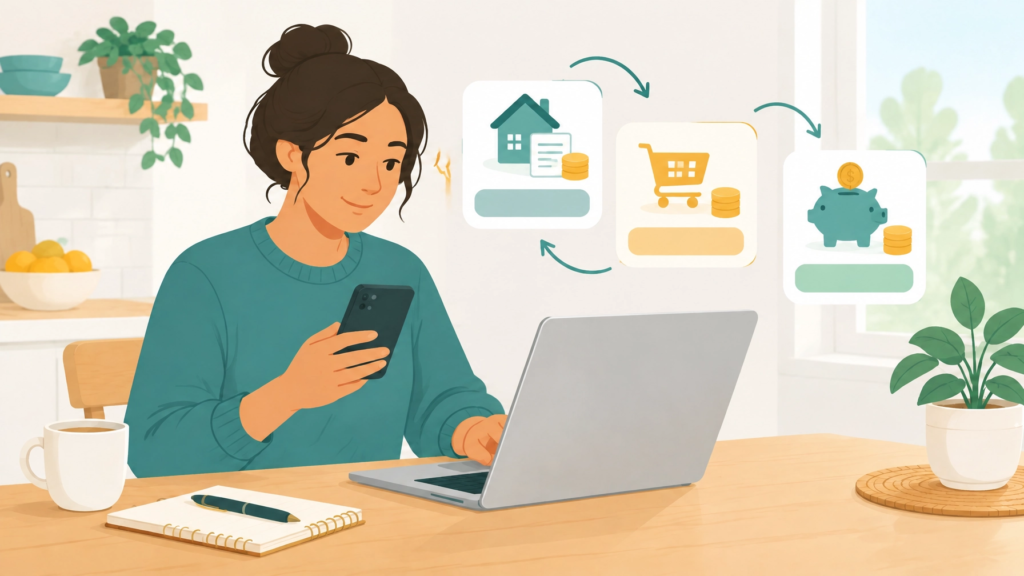
Financial inclusion is about more than opening a bank account. It is about having practical access to tools that help people save, send, receive, and manage money with greater clarity and control.
Digital wallets, mobile money, smartphones, and stablecoins may help people participate in the digital economy without depending entirely on traditional banking infrastructure. They may also give users more direct control over certain digital assets and make some transfers available around the clock.
But access must be paired with education. Digital money can introduce new risks involving fraud, privacy, technology failures, lost access, regulation, and asset value. The goal should not be hype or pressure. It should be informed choice.
Important disclaimer: This article is for educational purposes only and is not financial advice. WeFi is not a bank and does not provide FDIC insurance. Digital assets carry risk, including the possible loss of value, access, or funds. There are no guarantees. Review all terms, fees, risks, and legal requirements before using any financial service or digital asset.
Ready to Learn More? Join Our Free Educational Zoom Calls!
Mark Your Calendar! Every Monday and Thursday at 8:00 PM ET / 7:00 PM CT.
Learn directly how to navigate the world of digital finance and decentralized banking in a simple, no-hype environment.
Call to action (safe next step)
Sign up for your free decentralized account. Visit Our Website: bridgetoweb3.com.