
SEO title: Crypto Scam Red Flags: How to Spot Digital Money Fraud
Meta description: Learn how to identify crypto and digital-money scams, protect your wallet, verify links, and respond safely if you think you have been targeted.
Suggested URL slug: crypto-scam-red-flags
Digital finance can give people more control over how they store and move money. But that control also means learning how to recognize dishonest messages, fake platforms, and high-pressure offers.
Scammers often target beginners because they know new users may not yet understand wallets, recovery phrases, blockchain transfers, or how legitimate support works. A message may look professional, use a familiar logo, or come from someone who sounds helpful. That does not make it real.
The good news is that many scams follow the same patterns. Once you know what to look for, it becomes easier to slow down, verify information, and protect your money.

Common Types of Crypto and Digital-Money Scams
Fake “support” accounts
A scammer may contact you after you post a question online or interact with a real company’s social media page. They may pretend to be customer support and ask for your login details, recovery phrase, private key, or a payment to “unlock” your account.
Real support should not need your recovery phrase or private key. Find help through the company’s official website or app, not through an unexpected direct message.
Phishing links and fake apps or websites
Phishing is when someone uses a fake link, app, or website to steal your login information or wallet access. The page may look almost identical to a real platform.
Look carefully at the website address. Scammers often use misspelled names, extra words, unusual domain endings, or characters that resemble letters in the real address. Fake apps may also appear outside official app stores.
Too-good-to-be-true returns
Promises of guaranteed profits, risk-free income, or unusually high daily returns are classic warning signs. Digital assets can lose value, and no legitimate investment can promise a specific outcome.
The Federal Trade Commission’s guidance on cryptocurrency scams warns consumers to be cautious of offers involving guaranteed profits or pressure to pay in crypto.
Romance and investment combination scams
In this type of scam, someone develops a friendship or romantic relationship online and gradually begins discussing investing. They may claim to have special knowledge or offer to teach you how to use a trading platform.
The relationship may feel genuine, but the goal is often to persuade you to send money or connect your wallet to a fake website. Never send digital assets to someone you have only met online because they say they care about you or can help you earn money.
Giveaways and airdrop traps
Fake giveaways may promise free tokens if you first send a small amount. A fake airdrop may ask you to connect your wallet or sign a transaction.
Unexpected tokens or links in your wallet should be treated carefully. Do not connect your wallet to an unfamiliar website just to claim a reward.
Fake jobs and “money mule” offers
Some scammers advertise simple work-from-home jobs involving digital assets. They may ask you to receive money, convert it, and send it to another wallet.
This can make you part of a money-laundering scheme, even if you did not realize what was happening. Be cautious if a job requires you to use your personal bank account or wallet to move money for someone else.
Impersonation of real brands
Scammers may copy the name, logo, profile photo, or website design of a real wallet provider, exchange, financial company, or government agency.
A familiar logo does not prove authenticity. Check the company’s website address yourself and contact it through official channels.
Urgency and pressure tactics
“Act now,” “your account will be closed,” “this offer expires in 10 minutes,” and “keep this private” are common pressure tactics.
Urgency is designed to stop you from thinking clearly. Legitimate organizations should allow you time to verify a request.
Crypto Scam Red Flags to Watch For
Stop and verify if someone:
- Asks for your recovery phrase, seed phrase, private key, password, or two-factor authentication code
- Asks you to pay an upfront fee, tax, or deposit before withdrawing your money
- Guarantees returns or says there is no risk
- Pressures you to act immediately
- Is someone you met online who begins teaching you how to invest
- Asks you to move the conversation to a private chat
- Sends an unverified link or attachment
- Uses a lookalike URL or a slightly misspelled company name
- Cannot provide a verifiable team, business address, licensing information, or official documentation
- Tells you not to discuss the opportunity with anyone else
- Wants remote access to your computer or phone
- Asks you to download an unknown app
- Requires payment only in cryptocurrency
The SEC’s investor alert about fraudulent digital-asset websites also highlights unregistered platforms, unsolicited offers, and guaranteed returns as important warning signs.
The Golden Rule: Protect Your Keys
Nobody legitimate ever needs your seed phrase or private key.
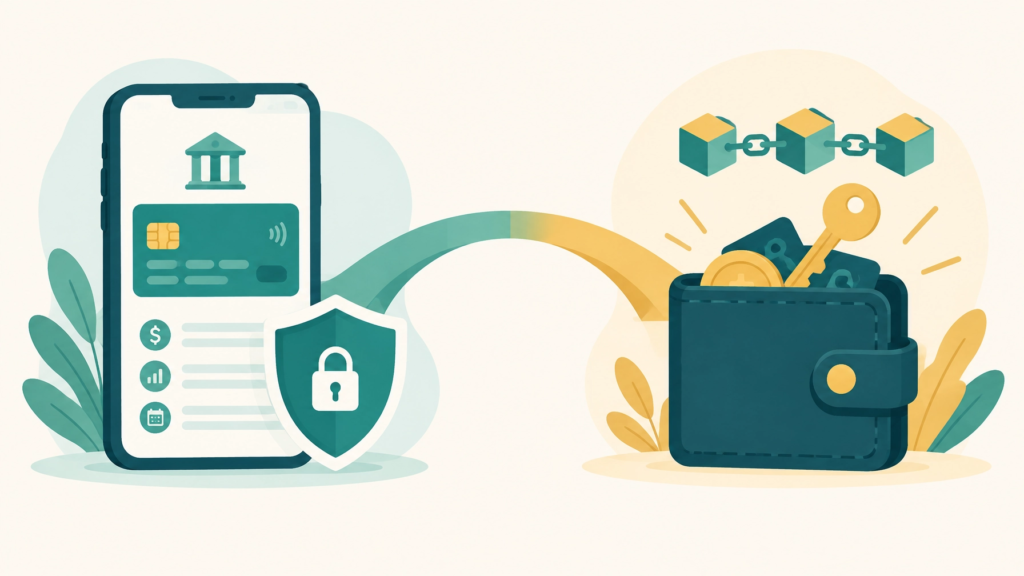
Your recovery phrase, sometimes called a seed phrase, can control access to a self-custody wallet. Anyone who gets it may be able to move the assets inside that wallet.
Do not share it with customer support, a financial educator, a romantic partner, a friend, or anyone who contacts you unexpectedly. Do not type it into a website or store it in a screenshot, email, or cloud note.
If someone asks for it, stop communicating with them.

A Practical Safety Checklist
Use these steps before sending money, downloading an app, or connecting a wallet.
-
Verify the URL yourself.
Type the company’s web address into your browser or use a bookmark you created yourself. Do not rely on links in DMs, texts, emails, or social media comments. -
Use official app stores.
Download apps from the Apple App Store, Google Play, or the company’s official website. Check the developer name, reviews, download history, and spelling. -
Treat unexpected DMs as hostile.
An unsolicited message may be friendly, but it should not be trusted with your money or account access. -
Enable two-factor authentication.
Use an authenticator app or another strong security method where available. Never share your one-time codes. -
Send a small test transfer.
Confirm the wallet address, asset, and blockchain network. Send a small amount first when practical. A wrong address or network can lead to permanent loss. -
Slow down.
Scammers want a quick emotional decision. Take a break, read the request again, and verify it through a separate channel. -
Talk to someone you trust.
A second opinion from a family member, friend, or qualified professional can help you notice details you missed. -
Remember that on-chain transfers are usually irreversible.
Unlike some card payments, blockchain transactions may not be reversible once confirmed. Check everything before pressing send.
If you are learning about wallets and control, our guide to self-custody versus custodial stablecoin wallets explains why personal control also comes with personal responsibility.
What to Do If You Think You Have Been Scammed
Act calmly, but do not wait for the scammer to “fix” the situation.
-
Stop sending money.
Do not pay another fee, make another deposit, or follow new instructions. -
Secure your accounts and wallets.
Change passwords from an official website, enable two-factor authentication, and disconnect unfamiliar wallet applications. -
Move remaining funds if you can do so safely.
If a wallet or account may be compromised, consider moving remaining assets to a secure wallet or account that you control. Verify every address carefully. -
Contact your bank, exchange, wallet provider, or payment platform.
Use official contact information, not the phone number, email address, or link provided by the scammer. -
Report the incident.
In the United States, you can report online fraud to the FBI’s Internet Crime Complaint Center, the FTC, and the appropriate financial regulator. -
Save evidence.
Keep screenshots, usernames, website addresses, wallet addresses, transaction IDs, receipts, emails, and chat messages. -
Tell someone you trust.
Scams can feel embarrassing, but reporting what happened may help protect you and others.
Be especially careful of “recovery agents” who promise to get your money back for an upfront payment. These offers are usually a second scam targeting people who have already been harmed.

Frequently Asked Questions
Can a legitimate company ask for my recovery phrase?
No. A legitimate wallet provider or support representative should never need your recovery phrase or private key.
Are all crypto offers on social media scams?
No, but unsolicited offers deserve extra caution. Verify the person, company, platform, and website independently before taking action.
What if the website looks exactly like the real one?
Do not trust appearance alone. Close the page and type the official URL yourself. Scammers can copy logos, colors, and layouts very closely.
Is a guaranteed return ever legitimate?
A guaranteed return is a major warning sign. All investments and digital assets carry risk, and no honest person can promise a specific profit.
Can I reverse a crypto transaction?
Usually, no. Some platforms may have internal procedures, but blockchain transfers are generally difficult or impossible to reverse after confirmation.
What is the safest first step if I am unsure?
Stop. Do not send money or share information. Verify the request through an official channel and speak with someone you trust before continuing.
Important Disclaimers
This article is for educational purposes only and is not financial advice. BridgeToWeb3 and WeFi do not guarantee any result, return, profit, or level of safety.
WeFi is not a bank and is not FDIC-insured. Digital assets carry risk, including loss of value, loss of access, theft, fraud, technical problems, and irreversible transactions. There are no guarantees. Never invest money you cannot afford to lose.
Learning about digital finance can help you become more independent from centralized banking systems, but independence requires careful decisions and strong security habits. The goal is not to rush. The goal is to understand how your tools work so you can remain in control of your choices.
For more beginner-friendly education, visit the BridgeToWeb3 About page.
Ready to Learn More? Join Our Free Educational Zoom Calls!
Mark Your Calendar! Every Monday and Thursday at 8:00 PM ET / 7:00 PM CT.
Learn directly how to navigate the world of digital finance and decentralized banking in a simple, no-hype environment.
Call to action (safe next step)
Sign up for your free decentralized account. Visit Our Website: bridgetoweb3.com.