
So, you’re tired of your local bank. You know the one, the place with the heavy glass doors, the "complimentary" pens that never work, and the weird smell of old carpet and desperation. You’ve heard there’s a better way to handle your hard-earned cash, but now you’re staring at two words that sound like they belong in a sci-fi movie: Neobank and DeoBanking.
If you’re feeling a little lost, don’t worry. We’re going to break this down like we’re explaining it to an 8-year-old, but, you know, an 8-year-old who pays taxes and wants to retire someday.
The Old School: What’s a Neobank?
Think of a Neobank (like Chime or Revolut) as the "cool younger sibling" of a traditional bank. They don't have buildings, they don't have those awkward velvet ropes, and their apps actually look like they were designed in this century.
But here’s the kicker: Underneath the shiny app, they are still banks.
When you put your money in a Neobank, you’re basically saying, "Hey, I trust you to hold my money for me." They have the keys. They have the control. If they decide they don’t like your tone (or more likely, if a government agency sends them a "pretty please freeze this" letter), they can lock your account faster than you can say "overdraft fee."
In the world of fintech, Neobanks are a massive step up from the dinosaurs, but they aren’t the finish line.

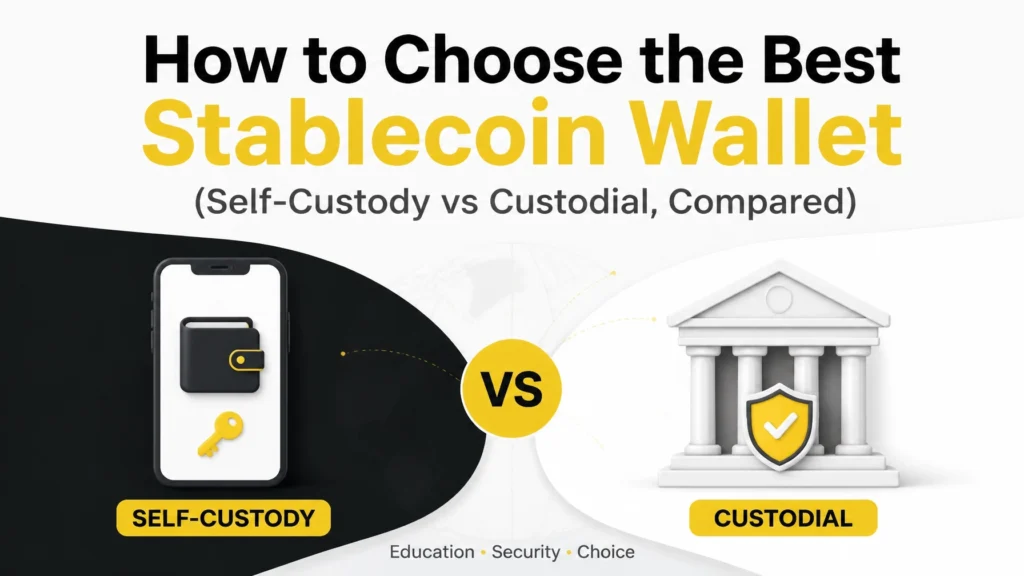
Image: Neobanks are just the digital version of the old system. DeoBanking is a whole new world.
The New School: Enter DeoBanking (Decentralized Banking)
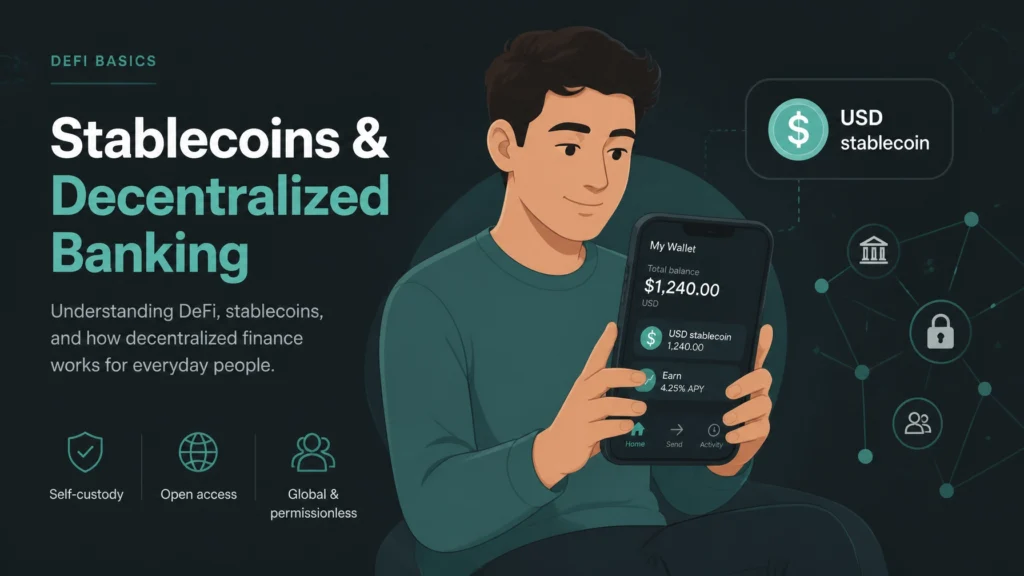
Now, let’s talk about the new kid on the block: DeoBanking. This is short for Decentralized Banking, and it’s what we do here at WeFi.
If a Neobank is a "digital bank," then DeoBanking is "being your own bank."
In a decentralized system, there is no CEO who can decide to freeze your assets. There is no central office that can go "oops, we lost your wire transfer." Instead, DeoBanking uses something called blockchain technology. Imagine a giant, digital ledger that everyone can see but nobody can cheat. Instead of trusting a person in a suit, you’re trusting math and code.
Neobank vs. DeoBanking: The Ultimate Face-Off
Let’s look at the "What is neobank vs deobank?" question through a few different lenses:
1. Who Holds the Keys?
- Neobank: They do. You’re a guest in their house. If they change the locks, you’re sleeping on the porch.
- DeoBanking: You do. You have global asset control. It’s your money, sitting in your digital vault, and you have the only key.
2. Can They Stop You?
- Neobank: Yes. They can (and do) block transactions, freeze accounts for "suspicious activity" (like buying too much pizza on a Tuesday), and follow government orders to stop your cash flow.
- DeoBanking: No. Because there is no central authority, nobody can get between you and your money. It’s permissionless.
3. Where Can You Use It?
- Neobank: Usually tied to specific countries or regions. Try opening a US bank account if you live in a different part of the world, it’s a nightmare.
- DeoBanking: Global. The internet doesn't care what country you're in, and neither does a decentralized system.

Why Ownership is the Real "Flex"
In the digital age, we’ve gotten used to "subscribing" to everything. We subscribe to movies (Netflix), we subscribe to software (Adobe), and in a way, we "subscribe" to our own money through traditional banks.
DeoBanking changes the game from "Subscribing" to "Owning."
When you use a platform like WeFi, you aren't asking for permission to use your wealth. You are exercising your right to own it. This is digital finance for beginners done right. You get the benefits of modern technology without the "big brother" oversight of centralized systems.
Is DeoBanking Safe?
This is usually where people get nervous. "If there’s no bank to call, what happens if I lose my password?"
It’s a fair question! In the world of DeoBanking, with great power comes great… well, you know the rest. You are responsible for your own security. But here’s the flip side: you’re also safe from the institutional risks of traditional banking: like bank runs, inflation caused by government printing, or central-bank-controlled digital currencies (CBDCs) that track every penny you spend.
At WeFi, we focus on making this transition as simple as possible. We provide the education so you don’t just "hope" your money is safe: you know it is because you’re the one in charge.

The Verdict: Which Is Better For Your Money?
If you just want a pretty app to pay for your morning latte and you don’t mind a corporation watching over your shoulder, a Neobank is fine.
But if you want financial freedom, independence from government control, and the ability to move your money across the globe without asking for a "mother-may-I," then DeoBanking is the clear winner. It’s about more than just convenience; it’s about taking your power back.
Ready to Be Your Own Bank?
The future of finance isn't a building on a corner; it's a tool in your pocket. You don't need a middleman to manage your wealth. You just need the right platform.
Click here to open your free WeFi account and join the revolution.
Need More Help?
Still not sure how to make the leap from "Bank-Controlled" to "You-Controlled"? We’ve got you. Whether you’re curious about how decentralized banking works or you want a walkthrough of the WeFi platform, we’re here to help.
Book a 1-on-1 discovery call with us on Calendly here!
Let’s get you on the path to true financial independence. 🥂