
Have you ever wondered why, in a world where we can send a high-definition video to someone across the globe in seconds, sending money still feels like it’s stuck in the 1990s?
Most of us are used to the rhythm of traditional banking. We wait for business days to end, we wait for "pending" transactions to clear, and we accept that our money is essentially being "held" by an institution that decides when and how we can use it.
But there is a shift happening. You might have heard terms like "blockchain," "crypto," or "stablecoins" floating around. While they can sound like technical jargon, the core idea is actually very simple: it’s about giving you more control and more freedom.
In this guide, we’re going to break down the differences between the traditional banking world we all know and the emerging world of stablecoins and decentralized banking (DeoBanking). Our goal at Bridge to Web3 is to help you understand these tools so you can decide what’s best for your financial future.
Understanding the Old World: Traditional Banking
Traditional banking has been the backbone of our economy for centuries. It’s built on a system of "custody." This means when you deposit money into a bank, you aren’t technically holding that money anymore, the bank is. They use your deposits to fund loans and investments, keeping a small portion (a "fractional reserve") on hand for when you want to withdraw.
The Benefits:
- Familiarity: We all know how to use an ATM or a mobile banking app.
- Regulation: Banks are heavily overseen by government agencies.
- Insurance: In many countries, deposits are insured up to a certain amount (like FDIC insurance in the US).
The Limitations:
- Gatekeepers: Banks can freeze accounts, set limits on withdrawals, and require extensive paperwork for simple tasks.
- Slow Speed: International transfers can take 3 to 5 business days. Even domestic transfers often pause on weekends and holidays.
- High Fees: Between wire fees, overdraft fees, and maintenance costs, traditional banking can be expensive.
The Digital Bridge: What are Stablecoins?
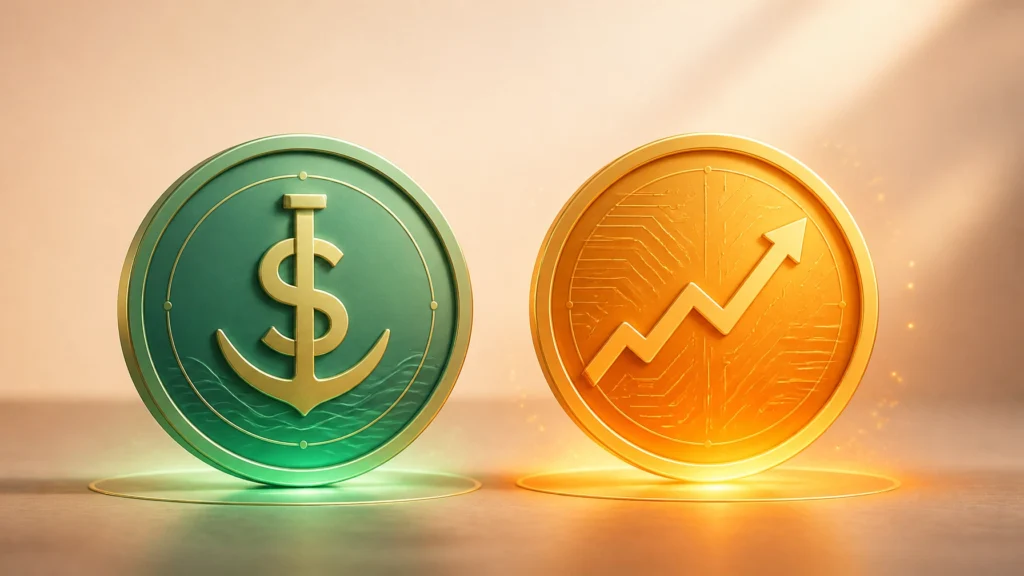
Imagine a digital version of the US dollar that doesn’t need a bank to move. That is essentially what a stablecoin is.
Stablecoins are a type of digital asset designed to stay "stable" by being pegged to a traditional currency like the US Dollar or Euro. For every one stablecoin issued, the provider usually holds an equivalent amount of traditional currency or safe assets in reserve.
Because they live on a blockchain, they don’t follow "banking hours." They move at the speed of the internet.

Side-by-Side: The Key Differences
When we look at stablecoins vs traditional banking, the differences usually fall into four main categories:
1. Control and Ownership
In a traditional bank, the bank is the "boss" of your account. In the world of digital assets, you can use a "self-custody" wallet. This means you hold the digital keys. As long as you have your keys, nobody can stop you from accessing or moving your money. This is the heart of the "be your own bank" movement.
2. Speed and Availability
Traditional banks have "business hours." If you want to send money on a Sunday evening, it likely won't move until Monday morning. Stablecoins move 24/7, 365 days a year. Whether it’s Christmas Day or 3:00 AM on a Tuesday, the network is always open.
3. Transaction Costs
Sending money across borders through a bank often involves a "chain" of different banks, each taking a small cut. Stablecoins move directly from person to person (or wallet to wallet). This often makes transactions significantly cheaper, especially for international transfers.
4. Transparency
While your bank statement is private between you and the bank, the "ledger" where stablecoins live is public and verifiable. You can see that a transaction happened in real-time, providing a level of transparency that traditional systems simply can't match.
Being Your Own Bank: A New Kind of Freedom
The most exciting part of this shift isn’t just about faster transactions, it’s about empowerment. For the first time in history, technology allows individuals to manage their global assets without needing a central authority to "approve" their choices.
At WeFi DeoBanking, the focus is on creating a bridge. We want to take the power of these digital assets and make them as easy to use as a traditional bank account, but with the freedom of decentralization.

Important Considerations (Risk-Aware Framing)
While we are excited about the future of money, it is important to be realistic. Moving toward decentralized banking requires a new level of personal responsibility.
- Educational Only: This information is for educational purposes and should not be considered financial advice.
- Not a Bank: Platforms like WeFi are decentralized finance (DeFi) tools. They are not traditional banks and do not offer FDIC insurance.
- Digital Asset Risk: Stablecoins are generally designed to be stable, but they can still carry risks, including technical glitches, regulatory changes, or the risk of a "de-peg" (where the coin loses its 1:1 value).
- No Guarantees: There are no guarantees of profit or "wealth" in this space. Success comes from education and careful management of your own assets.
Your Beginner’s Checklist for Digital Finance
If you’re interested in exploring stablecoins and decentralized banking, here is a simple way to start safely:
- Educate Yourself First: Don't put money into anything you don't understand. Read guides, join calls, and ask questions.
- Start Small: If you decide to try a digital wallet, start with a very small amount to get a feel for how it works.
- Secure Your Keys: If you use a self-custody wallet, your "recovery phrase" is the most important thing you own. Never share it with anyone.
- Check the Peg: Look for stablecoins that have a long history of maintaining their value and provide regular reports on their reserves.
- Join a Community: Learning is easier when you do it with others. Join our educational sessions to stay updated.
Frequently Asked Questions (FAQ)
Is a stablecoin the same as Bitcoin?
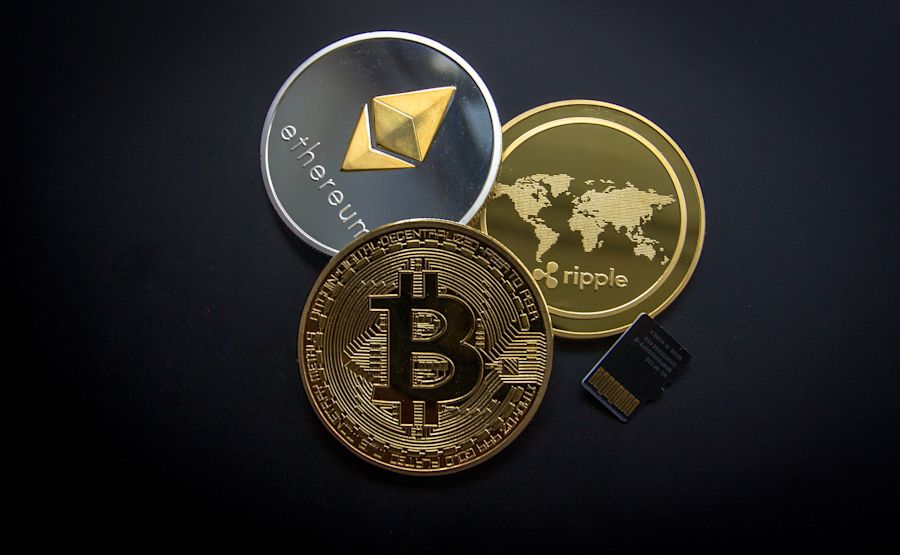
Not exactly. Bitcoin's price can go up and down significantly. Stablecoins are specifically designed to stay at a steady price (usually $1.00), making them better for daily spending or moving money.
Do I need a lot of money to start?
No. One of the best parts of decentralized finance is that it is open to everyone, regardless of how much they have. You can start with as little as a few dollars.
Can I still use my traditional bank?
Absolutely. Most people use both! You might keep your local currency in a bank for bills, while using stablecoins for international transfers or participating in the digital economy.
What happens if I lose my digital keys?
In a decentralized system, there is no "forgot password" button. This is why education is so important. You are in control, which means you are also responsible for your own security.
Ready to Learn More? Join Our Free Educational Zoom Calls!

Mark Your Calendar! Every Monday and Thursday at 8:00 PM ET / 7:00 PM CT.
Learn directly how to navigate the world of digital finance and decentralized banking in a simple, no-hype environment.
Call to action (safe next step)
Sign up for your free decentralized account. Visit Our Website: bridgetoweb3.com.