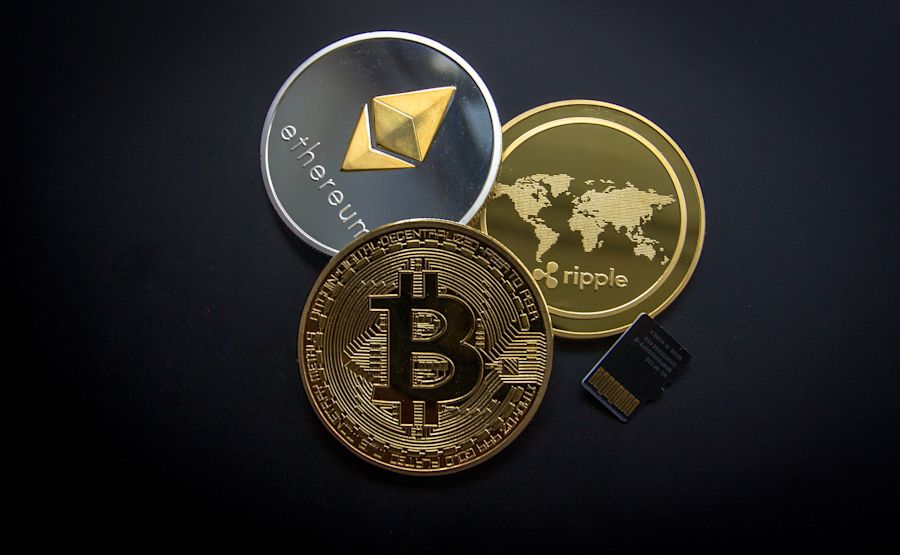
If you have ever dipped your toes into the world of digital finance, you have probably heard people talking about cryptocurrencies like Bitcoin and Ethereum. You may have also noticed that their prices can swing wildly from one day to the next: exciting for some, but far too unpredictable if you just want to buy groceries, pay rent, or send money to a family member.
Enter stablecoins.
At Bridge to Web3, our mission is to simplify complex financial concepts so that anyone can confidently navigate the future of money. If you have ever wondered what stablecoins are, how they work, and why people are calling them the bridge between traditional cash and modern digital finance, you are in the right place.
Let’s break it down in plain English: no hype, no confusing jargon, just practical education.
What Exactly Is a Stablecoin?
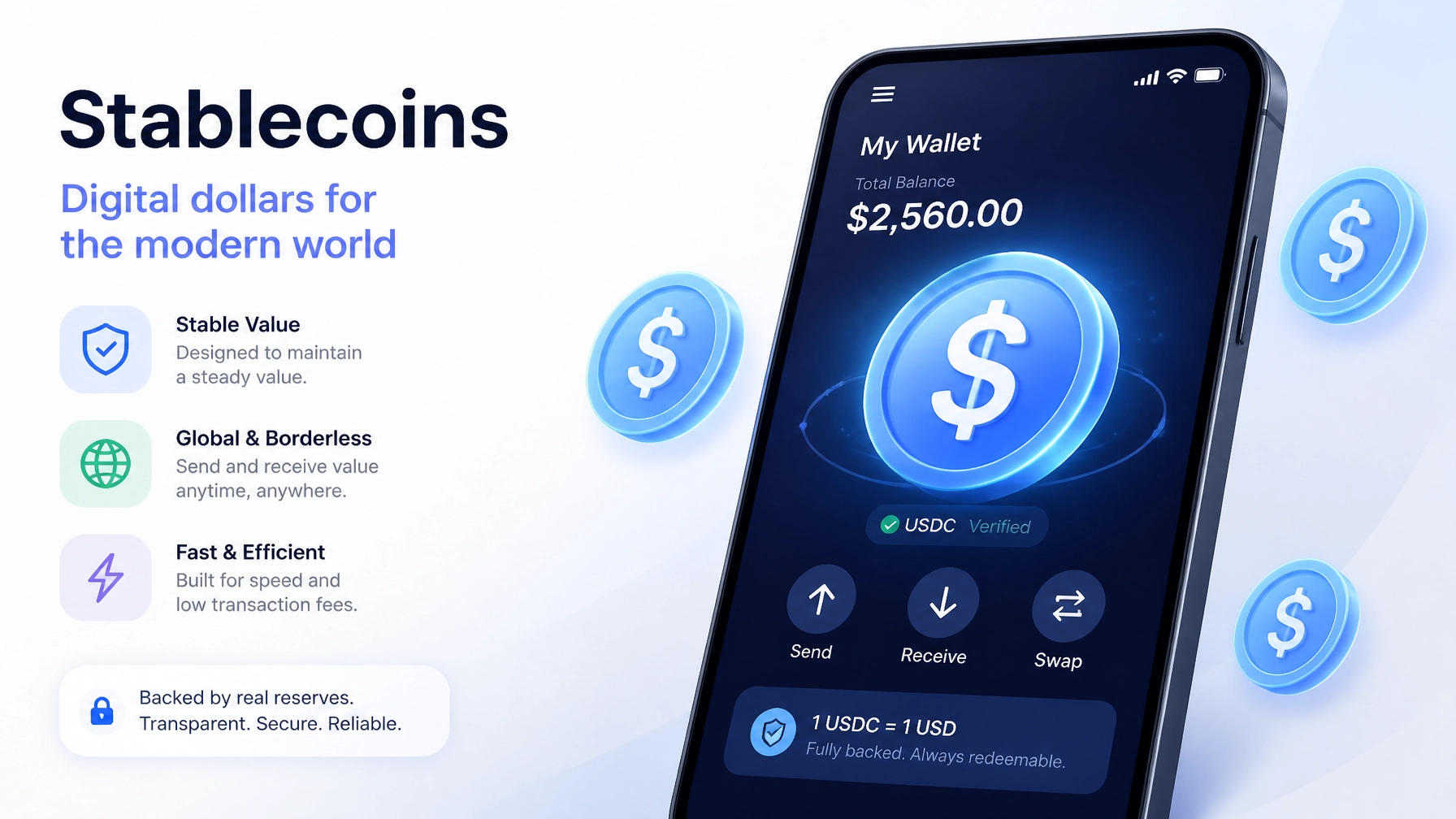
In simple terms, a stablecoin is a type of digital currency designed to maintain a steady, predictable value. While Bitcoin’s price moves up and down based on market demand, a stablecoin is typically "pegged" to a stable real-world asset: most commonly the United States Dollar (USD).
Think of it as digital cash. If a stablecoin is pegged 1-to-1 with the US dollar, 1 stablecoin is designed to always be worth roughly $1.
Most reliable stablecoins achieve this stability by holding real-world financial reserves (like cash and short-term government securities) equal to the number of digital tokens in circulation. This means you get the best of both worlds: the familiar, steady value of everyday money combined with the speed and global reach of blockchain technology.
If you want to explore more foundational guides on how modern digital finance compares to legacy systems, visit our Bridge to Web3 blog or learn more about our mission.

Real-World Use Cases: Why Stablecoins Matter for Your Everyday Money
Stablecoins are not just trading tools for tech enthusiasts. Everyday people around the world are discovering practical, real-world ways to use them in their daily lives.
1. Sending Money Across Borders Instantly
In the traditional banking system, sending money internationally can take anywhere from three to five business days. It often involves high wire transfer fees, unfavorable currency exchange markups, and frustrating bureaucratic hurdles.
With stablecoins, sending money across the globe takes minutes: sometimes seconds: and costs a fraction of a cent or a few cents in network fees. Whether you are supporting family members overseas or paying an international freelancer, money moves directly from wallet to wallet without middlemen taking a cut.
2. Saving and Transacting Without a Traditional Bank Account
Billions of adults worldwide lack access to traditional banking services. Even in developed nations, high monthly maintenance fees, minimum balance requirements, and sudden account closures can leave people looking for alternatives.
Stablecoins allow anyone with a smartphone and an internet connection to hold digital dollars securely. You do not need a traditional bank account to store, receive, or spend value, putting financial power directly into your own hands.
3. Making Fast, Reliable Payments
Because stablecoin transactions settle instantly and permanently on public blockchains, merchants and everyday consumers are increasingly using them for commerce. There are no chargeback risks, no credit card processing delays, and no geographical restrictions.
To dive deeper into the practical steps of moving funds, check out our guide on how to use stablecoins to move money faster worldwide.

Stablecoin vs. Traditional Banking: How Do They Compare?
To truly understand why stablecoins are generating so much excitement, let’s compare them directly to legacy banking systems:
- Speed: Traditional bank wires can take days, especially across borders. Stablecoin transfers settle in minutes, 24 hours a day, 365 days a year.
- Fees: International remittances and bank wires often incur heavy fees and poor exchange rates. Stablecoin transactions usually cost just pennies.
- Accessibility: Traditional banks require proof of address, minimum credit scores, and lengthy verification processes. Stablecoins require only a compatible digital wallet and internet access.
- Operating Hours: Banks close on weekends, holidays, and evenings. Blockchains never sleep.
For a more in-depth comparison, read our detailed article on stablecoins vs. traditional banking and which is better for your daily money.
Important Risk Disclaimer
Before you take any steps into digital finance, it is crucial to understand that education comes first.
- Not FDIC Insured: Stablecoins are digital assets, not traditional bank deposits. They are not insured by the Federal Deposit Insurance Corporation (FDIC) or any government agency.
- Issuer & Reserve Risk: The stability of a stablecoin depends entirely on the transparency and financial health of the organization issuing it and managing its reserves.
- Self-Custody Responsibility: When you hold your own digital assets in a personal wallet, you are responsible for your security. If you lose your private keys or backup recovery phrase, nobody can reset your password or recover your funds.
Disclaimer: This article is for educational and informational purposes only and does not constitute financial or legal advice. Always do your own research before making financial decisions.

Practical Checklist: How to Try Stablecoins Safely
If you are curious about trying stablecoins for yourself, follow this safe, beginner-friendly checklist:
- Educate Yourself First: Take time to understand how digital wallets work before moving any funds. Attend community educational sessions to ask questions and learn from others.
- Start Small: If you decide to test a transaction, begin with a very small amount (such as $5 or $10) to understand how sending and receiving works.
- Choose Reputable Assets: Stick to well-known, widely recognized stablecoins with transparent, regularly audited reserve reports.
- Prioritize Security: Never share your private keys or seed phrase with anyone. Write your backup words down on physical paper and store them in a secure place.
- Use Trusted Tools: Use reliable, user-friendly wallets and platforms designed with beginners in mind.
Frequently Asked Questions
Are stablecoins the same thing as Bitcoin?
No. Bitcoin is a decentralized cryptocurrency whose price fluctuates based on market supply and demand. Stablecoins are digital currencies designed to maintain a stable, fixed price: usually pegged 1-to-1 to the US dollar.
Can I lose money with stablecoins?
While stablecoins are designed to maintain their dollar value, risks still exist. If the issuing company mismanages its reserves or experiences a crisis of confidence, a stablecoin can temporarily (or permanently) lose its peg. Additionally, self-custody errors (like losing your wallet recovery phrase) can result in permanent loss of funds.
Do I need a credit card or bank account to use stablecoins?
To get started, most people purchase stablecoins using a bank account or credit card on a trusted exchange or platform. However, once you hold stablecoins in a self-custody wallet, you can send and receive payments peer-to-peer anywhere in the world without needing a traditional bank account in the middle.

Ready to Learn More? Join Our Free Educational Zoom Calls!
Mark Your Calendar! Every Monday and Thursday at 8:00 PM ET / 7:00 PM CT.
Learn directly how to navigate the world of digital finance and decentralized banking in a simple, no-hype environment.
Call to action (safe next step)
Sign up for your free decentralized account. Visit Our Website: bridgetoweb3.com.