For generations, managing money meant opening an account at a traditional brick-and-mortar bank, depositing savings, and trusting a centralized institution to safeguard your funds and process your transactions. While this system has served society for decades, the world has shifted dramatically. Today, a growing number of individuals are curious about alternative financial systems, decentralized banking, and digital finance for beginners as they look for greater control, flexibility, and independence.
Whether you are exploring ways to manage your money more efficiently or simply trying to make sense of headlines about blockchain and digital assets, understanding these new options is a valuable step toward financial empowerment.
What Are Alternative Financial Systems?
To understand alternative financial systems, it helps to look at what came before. Traditional finance: often called "TradFi": relies heavily on commercial banks, credit unions, and centralized payment networks. Every transaction, loan, and savings account is mediated by a middleman who sets the rules, fees, and processing times.
Alternative financial systems, on the other hand, encompass any method of saving, spending, borrowing, or investing that operates outside or alongside traditional banking and capital markets. This broad category includes:
- Digital Banks and Fintech Apps: Online-only financial institutions and payment apps that offer streamlined user experiences, lower fees, and mobile-first account management.
- Peer-to-Peer (P2P) Networks: Platforms that allow individuals to transact, lend, or borrow directly with one another without routing through a traditional commercial bank.
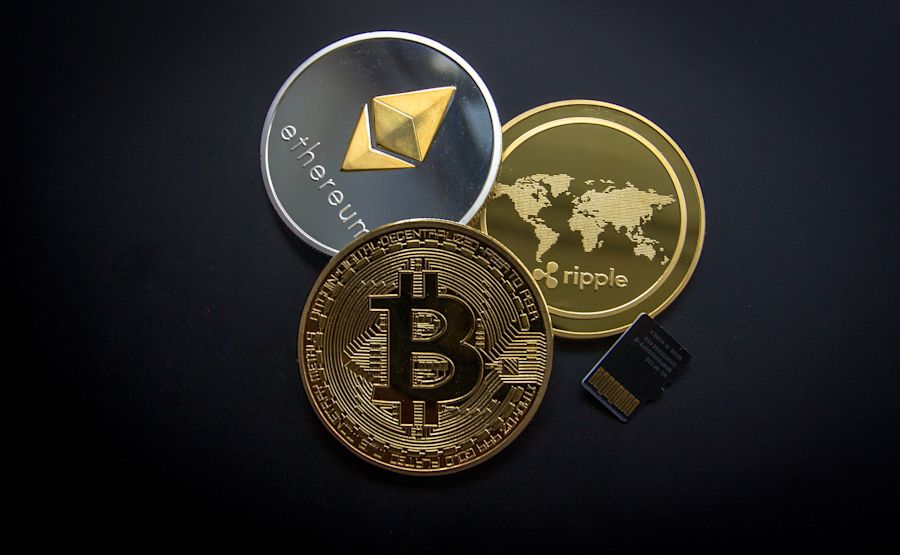
- Cryptocurrencies and Stablecoins: Digital currencies secured by cryptography and decentralized networks, enabling borderless transactions without central bank intermediaries.
- Decentralized Finance (DeFi) and DeoBanking: Innovative platforms: such as WeFi DeoBanking: that use blockchain technology and smart contracts to replicate financial services transparently, giving users direct control over their assets.
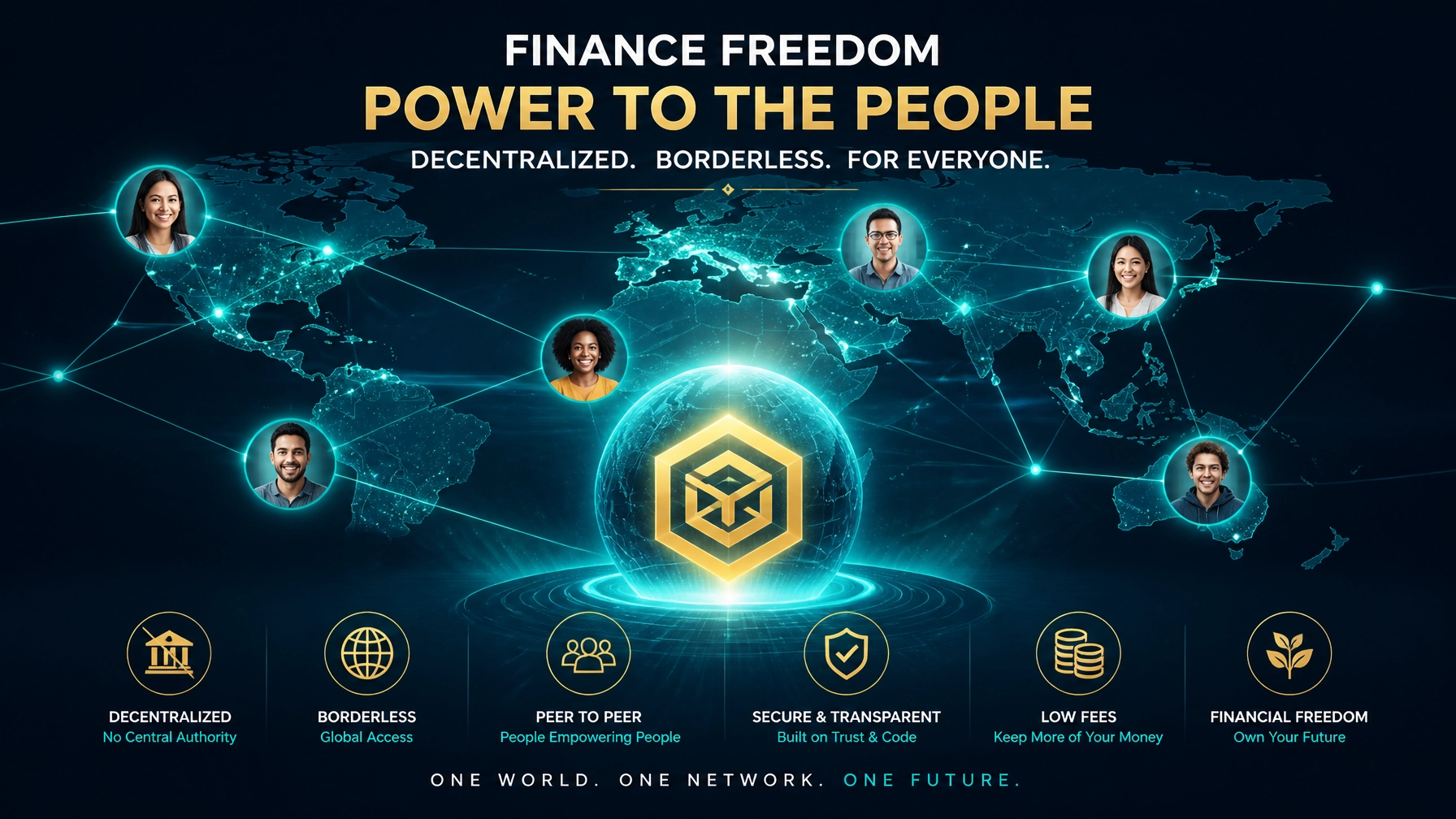
At its core, the movement toward alternative financial systems is about independence from centralized banking systems and government control, giving everyday people the tools to be their own bank and manage their wealth globally.

Why Are People Exploring New Options Today?
Curiosity around digital finance isn't just a tech trend; it is driven by practical needs and a desire for modernization. Here are some of the primary reasons people are looking beyond traditional banking:
1. Transparency and Control
In traditional banking, users often have limited visibility into how their deposits are managed or why transactions take time and incur fees. Alternative systems often leverage transparent public ledgers and self-custody wallets, meaning you retain direct ownership and control of your funds at all times.
2. Global Accessibility
Traditional banking systems can be restrictive, leaving billions of people unbanked or underbanked globally. Digital finance platforms require only an internet connection and a compatible device, opening doors for borderless participation without paperwork barriers.
3. Efficiency and Speed
Traditional cross-border wire transfers can take days and involve high intermediary fees. Alternative financial instruments, particularly stablecoins and decentralized networks, can settle transactions in seconds, anywhere in the world, at a fraction of the cost.
How Decentralized Banking Works (Without the Jargon)
When people first hear terms like decentralized banking or DeFi, it can sound intimidating. However, the foundational concepts are straightforward.
Instead of relying on a bank manager or corporate headquarters to approve transactions, decentralized systems use smart contracts: self-executing digital agreements written in code on a blockchain network. When predefined conditions are met, the contract executes automatically. This removes human error, reduces administrative overhead, and eliminates third-party gatekeepers.
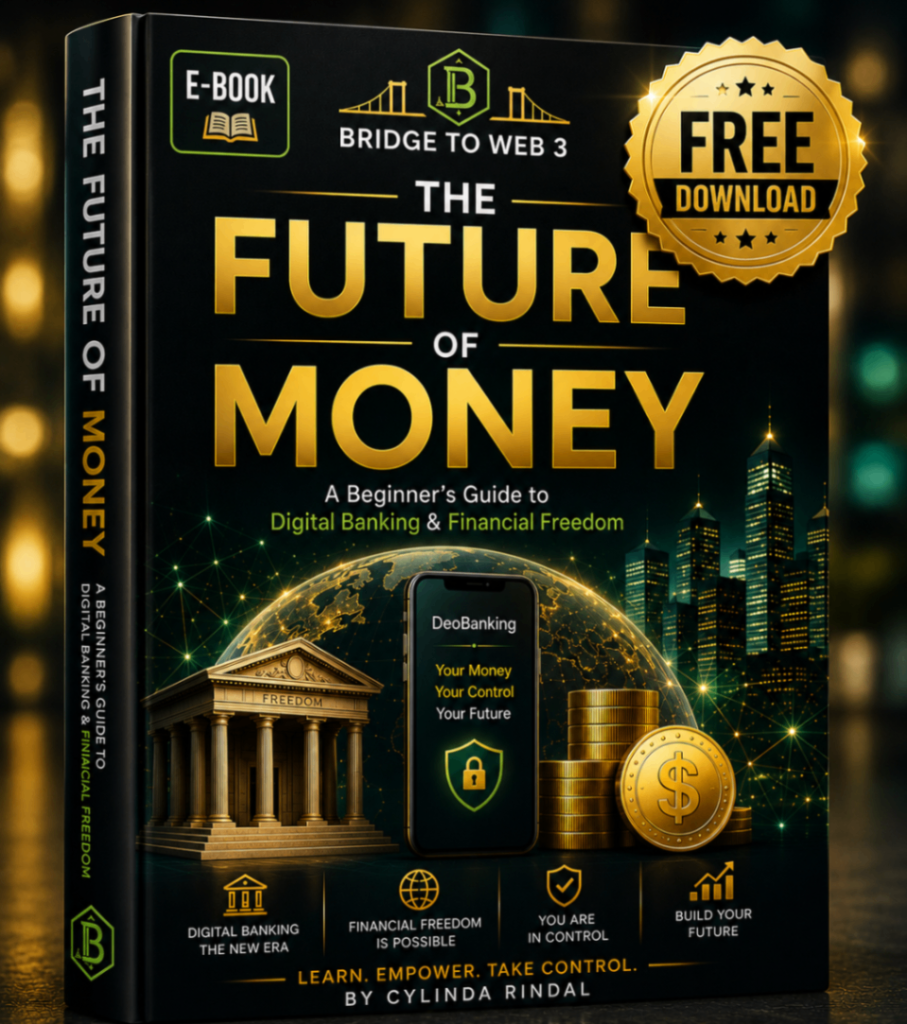
Educational platforms like Bridge to Web3 focus on breaking down these concepts into simple, everyday language. Through initiatives centered around WeFi DeoBanking, individuals can learn how modern digital finance operates, how stablecoins work, and how to navigate self-custody safely without feeling overwhelmed by complex technology.

A Practical Checklist for Beginners
If you are new to alternative financial systems and want to explore them responsibly, follow this practical checklist:
- Define Your Goals: Are you looking to reduce bank fees, speed up international payments, or simply learn how digital assets work? Clarifying your personal objectives helps you focus on what matters.
- Prioritize Education First: Before moving any funds or opening new accounts, take time to learn the fundamentals. Read reliable guides, attend educational webinars, and understand how digital wallets and private keys operate.
- Start Small and Experimental: If you decide to test a new financial app, stablecoin, or digital account, start with small, educational amounts that you are comfortable exploring with. Never commit core savings to unfamiliar platforms.
- Understand Self-Custody Responsibility: In alternative and decentralized systems, you are responsible for your own security (such as safeguarding passwords and recovery phrases). Take security education seriously.
- Engage with a Supportive Community: Learning alongside others makes the journey much easier. Join free educational sessions, ask questions, and build your confidence in a no-hype environment.

Frequently Asked Questions (FAQ)
What is the main difference between traditional banking and alternative financial systems?
Traditional banking relies on centralized institutions (banks) to hold your money, approve transactions, and dictate terms. Alternative financial systems: including decentralized banking and fintech platforms: use technology, cryptography, and direct peer-to-peer networks to let individuals manage and transfer their own assets without intermediaries.
Are alternative financial systems safe for beginners?
Safety depends entirely on the platform and how you use it. Regulated fintech apps and digital banks offer strong user protections, while decentralized finance (DeFi) tools require personal caution, risk awareness, and self-custody education. Beginners should always start with education and small exploratory amounts.
Do I need technical experience to understand digital finance?
Not at all. While the underlying technology is advanced, modern educational resources and user-friendly platforms are designed to make digital finance accessible to complete beginners, regardless of technical background.
Is WeFi a traditional bank?
No. WeFi is a decentralized banking (DeoBanking) and digital finance ecosystem. It is not a traditional chartered bank, and funds held in decentralized digital asset platforms do not carry FDIC insurance. All participants should understand that digital assets carry inherent market and technological risks.
Important Educational Disclaimer
Disclaimer: The information provided in this article is for educational and informational purposes only and does not constitute financial, investment, or legal advice. Bridge to Web3 and WeFi are not traditional banks, and digital assets do not carry FDIC or government deposit insurance. Digital finance and decentralized assets carry inherent risks, including potential loss of principal. Always do your own research and consult with a qualified professional before making financial decisions.
Ready to Learn More? Join Our Free Educational Zoom Calls!
Mark Your Calendar! Every Monday and Thursday at 8:00 PM ET / 7:00 PM CT.
Learn directly how to navigate the world of digital finance and decentralized banking in a simple, no-hype environment.
Call to action (safe next step)
Join our free Monday/Thursday Zoom call: https://us02web.zoom.us/meeting/register/v9sDr4C9QwKL2gY-UeQZ8Q
Create your free account: https://app.wefi.co/register?ref=l3bxypqzyf