
SEO title: Stablecoins vs. Cryptocurrency: Key Differences Explained
Meta description: Learn the difference between stablecoins, Bitcoin, and Ethereum, how stablecoins maintain their value, when each may be used, and what risks beginners should understand.
Suggested URL slug: stablecoins-vs-cryptocurrency
Educational disclaimer: This article is for general education only and is not financial, legal, or tax advice. Digital assets carry risk, and you should do your own research before using any cryptocurrency or stablecoin. WeFi is not a bank, and its services and digital assets are not FDIC-insured bank deposits.
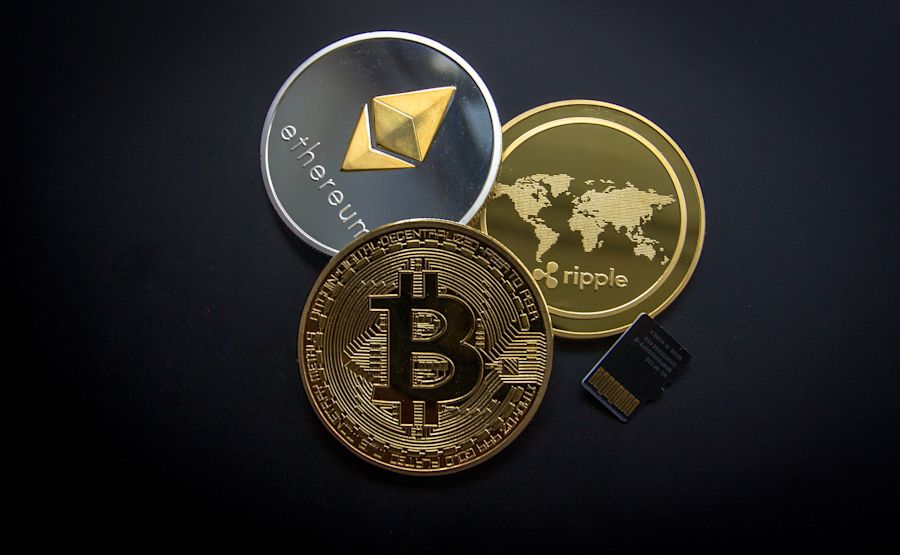
If you are new to digital finance, the word “cryptocurrency” can make everything sound like one large, confusing category. Bitcoin, Ethereum, USDC, and USDT are all digital assets, but they do not all work the same way.
One of the biggest differences is how their prices behave.
Bitcoin and Ethereum can move up or down significantly in a short period of time. Stablecoins, on the other hand, are designed to stay close to a fixed value, often one U.S. dollar.
That difference matters when you are thinking about how digital assets may be used. A stablecoin may be designed for moving and holding a dollar-based value digitally, while another cryptocurrency may be used as a network asset or a freely traded digital currency.
Let’s break it down in simple terms.
What Is Cryptocurrency?
Cryptocurrency is a type of digital asset that uses blockchain technology to record and verify transactions.
A blockchain is a shared digital record. Instead of one bank or company keeping the only copy of the record, the network uses computers to maintain and confirm it.
Bitcoin and Ethereum are two well-known examples:
- Bitcoin was created as a decentralized digital currency and payment network.
- Ethereum is a blockchain network that supports digital assets, applications, and smart contracts.
- Their market prices are determined by supply, demand, adoption, and other factors.
- Neither Bitcoin nor Ethereum is designed to maintain a fixed price such as $1.
This means their values can change quickly. A person using Bitcoin or Ethereum needs to be comfortable with the fact that the amount of traditional currency they represent today may be very different tomorrow.
That does not automatically make them good or bad. It simply means they serve a different purpose from a stablecoin.
What Is a Stablecoin?
A stablecoin is a digital token designed to track the value of another asset.
Most commonly, stablecoins are linked to the U.S. dollar. A dollar-based stablecoin may be designed so that one token aims to remain close to one dollar.
The word “stable” describes the goal, not a guarantee.
Many stablecoins are issued by private companies that hold reserves to support the tokens in circulation. Those reserves may include cash, short-term government securities, or other assets, depending on the issuer and the specific stablecoin.
For example, if an issuer has one billion tokens in circulation, users generally expect the issuer to maintain assets that support the value of those tokens. The quality, amount, and transparency of those reserves are important.
A helpful way to think about it is:
- Bitcoin or Ethereum: Digital assets with prices that move freely.
- A dollar stablecoin: A digital token designed to maintain a value close to one dollar.
Stablecoins are still part of the broader digital asset world. They can be sent through blockchain networks, held in wallets, and used with decentralized applications.
How Does a Stablecoin Stay “Stable”?
Different stablecoins use different methods. The most common types include the following.
Fiat-backed stablecoins
These are typically supported by traditional assets such as cash and short-term government securities.
The idea is straightforward: reserves are held to help support the value of the digital tokens. However, users must still consider whether the issuer provides clear information about those reserves and whether the assets can be accessed when needed.
Crypto-backed stablecoins
These stablecoins use other digital assets as collateral. Because the supporting assets may also change in value, these systems may use extra collateral or automated processes to help manage price movements.
Commodity-backed stablecoins
Some stablecoins are connected to commodities such as gold. Their value may be linked to the value of the underlying commodity rather than a national currency.
Algorithmic stablecoins
Algorithmic stablecoins attempt to maintain their value through software rules, supply changes, or market incentives. They may have limited traditional reserves.
These designs can be difficult for beginners to evaluate and may carry significant risks during periods of market stress.
For a deeper overview, resources from Fidelity and Mastercard explain how stablecoins differ from other crypto assets.
Stablecoins vs. Cryptocurrency: A Simple Comparison
| Feature | Bitcoin and Ethereum | Stablecoins |
|---|---|---|
| Price behavior | Can rise or fall significantly | Designed to stay near a reference value |
| Common reference | No fixed currency peg | Often linked to the U.S. dollar |
| Main role | Digital asset and blockchain network use | Digital dollar-like transfers and settlement |
| Backing | Generally not backed by a reserve of dollars | Often supported by reserves or collateral |
| Main risks | Market price volatility, network, wallet, and platform risks | Reserve, issuer, peg, network, wallet, and platform risks |
| Price guarantee | No | No; the target value can be lost |
This table is a starting point, not a complete risk assessment. Each digital asset has its own design, issuer, network, rules, and legal structure.
Why Would Someone Use a Stablecoin?
Stablecoins may be useful in situations where someone wants to move a dollar-based value through a blockchain network.
Possible uses include:
- Sending digital value to someone in another country.
- Moving funds between digital asset platforms.
- Using a blockchain application that accepts stablecoins.
- Holding a digital representation of a currency while using a self-custody wallet.
- Paying a contractor or business partner who accepts digital assets.
A stablecoin can also provide a familiar unit of measurement. It may be easier for a beginner to understand a token intended to track one dollar than an asset whose price changes every few minutes.
However, stablecoins do not remove every challenge. The sender and recipient must use compatible wallets and networks. Transactions may require network fees, and sending assets to the wrong address or network can lead to permanent loss.
Stablecoins may also depend on centralized issuers even when they operate on decentralized blockchain networks. An issuer may have the ability to freeze certain tokens, and regulations may affect how a stablecoin can be used.
When Might Bitcoin or Ethereum Be Used?
Bitcoin and Ethereum have different purposes from stablecoins.
Bitcoin is often discussed as a decentralized digital asset and a peer-to-peer payment network. Ethereum supports a broader ecosystem of applications and smart contracts.
People may use these assets to interact with their respective networks, transfer value, or explore blockchain-based applications. But their prices can change significantly, and they should not be treated like cash.
The important point is not choosing one category as a universal winner. It is understanding what you are holding and why it exists.
Someone looking for a less variable digital unit may study stablecoins. Someone interested in a decentralized network or a digital asset with a freely moving market price may study Bitcoin or Ethereum. Neither choice is risk-free, and neither is appropriate for every person or situation.
Stablecoins Are Not the Same as Bank Deposits
A stablecoin may be designed to track the U.S. dollar, but it is not the same thing as money held in an FDIC-insured bank account.
A bank deposit at an FDIC-insured institution may qualify for FDIC coverage within applicable limits and rules. A stablecoin held in a wallet or on a crypto platform is generally not an FDIC-insured deposit.
WeFi is not a bank and does not provide FDIC insurance for stablecoins or other digital assets.
A stablecoin can lose its connection to the dollar, a platform can experience technical problems, a wallet can be compromised, or an issuer can face operational and financial difficulties. These risks are different from the risks of a traditional checking or savings account.
Self-custody can give you more direct control over your assets and reduce dependence on a centralized financial institution. At the same time, it places more responsibility on you. Protecting private keys, checking addresses carefully, and learning how each network works are essential parts of managing digital assets.
How to Think About Stablecoins vs. Crypto
Before using either type of digital asset, ask yourself:
- What am I holding? Is it Bitcoin, Ethereum, a dollar stablecoin, or something else?
- What is the asset designed to do? Is it meant to support a blockchain network, transfer value, or track another asset?
- What supports its value? If it is a stablecoin, what reserves or collateral does the issuer describe?
- Can the price move? A dollar target is not a promise that the token will always be worth exactly one dollar.
- Who controls access? Learn whether the asset is held by you in a self-custody wallet or by a third-party platform.
- What network will I use? Confirm that the sending and receiving wallets support the same blockchain network.
- What happens if something goes wrong? Understand recovery options, transaction limits, issuer policies, and platform protections.
- Am I relying on money I cannot afford to lose? Digital assets carry risk and should not automatically replace emergency savings or essential funds.
Education is one of the best ways to make more informed decisions. BridgeToWeb3 offers additional resources on decentralized banking, using stablecoins, and the changing world of digital finance.
Frequently Asked Questions
Are stablecoins cryptocurrency?
Yes. Stablecoins are generally considered a type of cryptocurrency or digital asset. They use blockchain technology, but their price is designed to track another asset, often the U.S. dollar.
Can a stablecoin lose its value?
Yes. Stablecoins can lose their intended peg. This may happen because of concerns about reserves, issuer problems, market stress, technical issues, or a lack of confidence. “Stable” is a design goal, not a guarantee.
Are stablecoins FDIC-insured?
No. Stablecoins are not the same as FDIC-insured bank deposits. WeFi is not a bank, and stablecoin balances are not protected by FDIC insurance.
Is a stablecoin safer than Bitcoin or Ethereum?
The risks are different, not absent. A stablecoin may have less price volatility under normal conditions, but it can carry issuer, reserve, peg, platform, wallet, and regulatory risks. Bitcoin and Ethereum carry greater market price volatility along with their own technical and platform risks.
Final Thoughts
Stablecoins and other cryptocurrencies are connected, but they are not interchangeable.
Bitcoin and Ethereum have freely moving prices and are tied to their own decentralized networks. Stablecoins are designed to maintain a steadier value, often by linking each token to a currency and supporting it with reserves or other collateral.
That can make stablecoins useful for certain digital payments, transfers, and blockchain applications. It does not make them risk-free or identical to money in a bank account.
The most practical next step is to keep learning. Understand the asset, the issuer, the network, the wallet, and the risks before taking action. A decentralized account, such as the optional account available through WeFi, can be one way to explore digital finance at your own pace. Take your time, ask questions, and focus on understanding before using any new financial technology.
Ready to Learn More? Join Our Free Educational Zoom Calls!
Mark Your Calendar! Every Monday and Thursday at 8:00 PM ET / 7:00 PM CT.
Learn directly how to navigate the world of digital finance and decentralized banking in a simple, no-hype environment.
Call to action (safe next step)
Sign up for your free decentralized account. Visit Our Website: bridgetoweb3.com.