If you have ever felt frustrated by hidden fees, long processing times, or the feeling that you have very little control over your own hard-earned money, you are not alone. For generations, traditional banking has acted as the unavoidable middleman for everything we do financially. But as technology evolves, a new movement is taking shape: one centered around personal financial independence, transparency, and true ownership.
Enter the deobank.
If that sounds like a sci-fi term, don't worry. In this guide, we will break down what a deobank is, how it connects to decentralized banking and what is defi, and what it means to truly be your own bank.
What Is a Deobank?
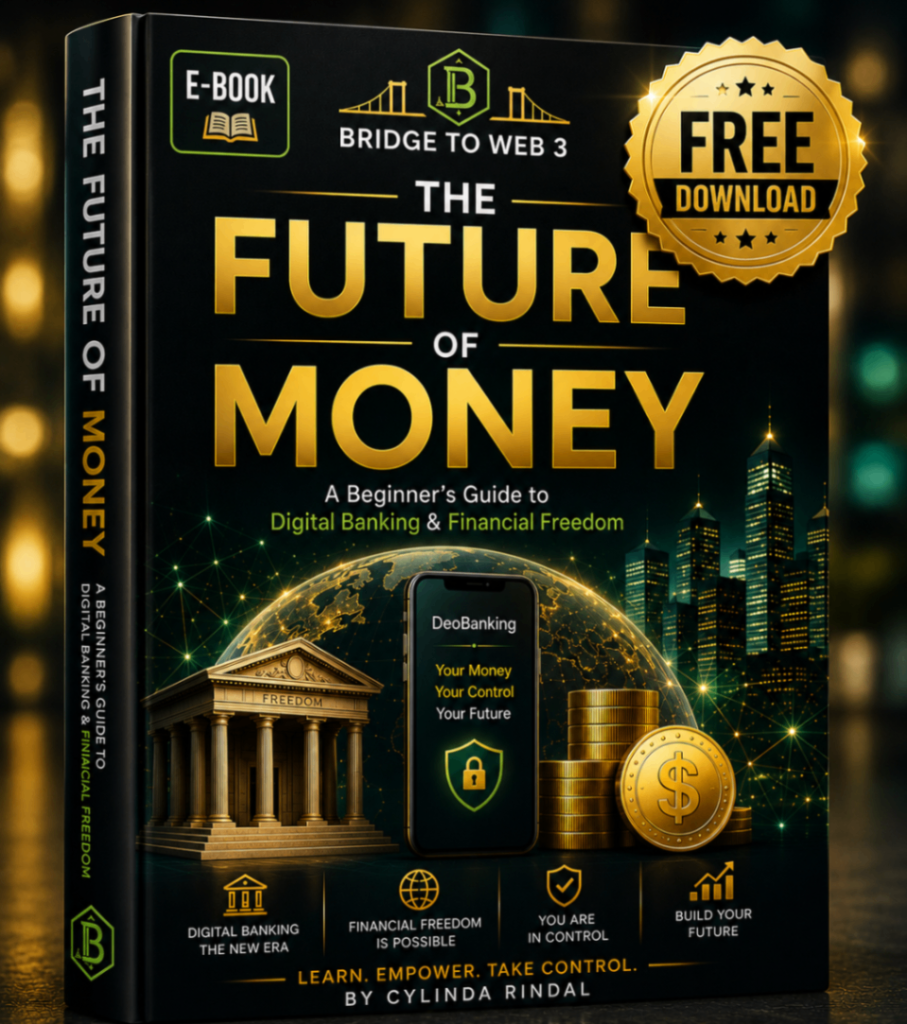
At its simplest, a deobank (short for decentralized on-chain bank) is a financial platform that combines the familiar, user-friendly experience of a digital banking app with the power of blockchain technology.
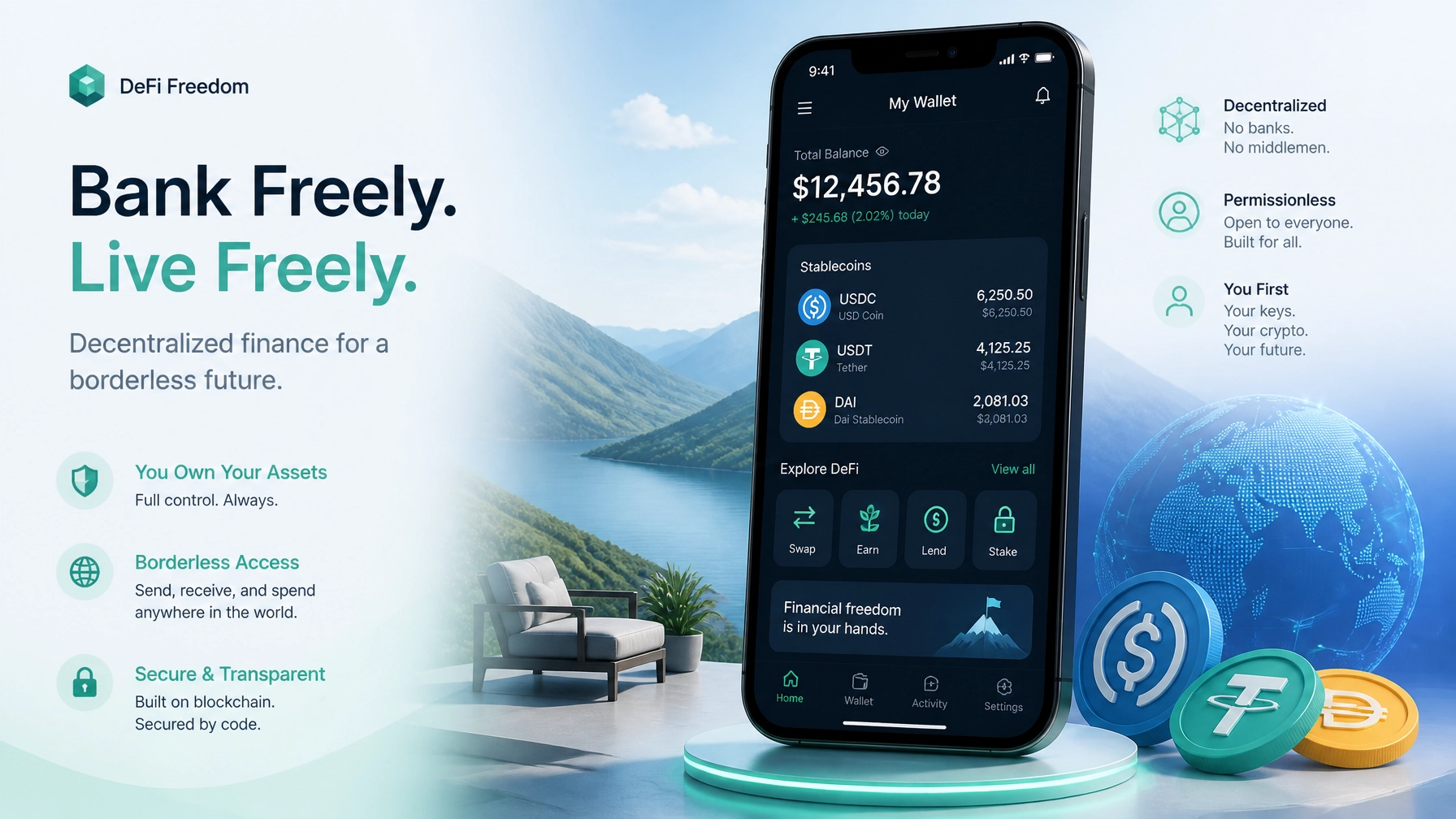
Think about how you use a modern neobank on your smartphone to check your balance, transfer money, or view transactions. A deobank offers a similar smooth experience, but with one massive difference: instead of relying on a traditional central bank's private servers and legacy systems, your financial activities run on public, transparent blockchain networks.
Crucially, many deobanks are built around self-custody principles. This means you hold the keys to your digital assets. No centralized institution can arbitrarily freeze your account, alter your terms overnight, or lend out your funds behind closed doors without your consent.
What Is DeFi and How Does It Fit In?
To fully understand how a deobank works, it helps to answer a foundational question: What is DeFi?
DeFi stands for Decentralized Finance. It is an umbrella term for financial services: such as lending, borrowing, savings, and exchanging currencies: that operate via open-source software and smart contracts on a blockchain rather than through traditional financial intermediaries like commercial banks or brokerage firms.
In traditional finance, a bank acts as the trusted gatekeeper. In DeFi, the "rules" of the financial system are written into code (smart contracts) that anyone can audit, view, and verify on a public ledger.
A deobank acts as a bridge between everyday people and the complex world of DeFi. Instead of forcing you to navigate complicated technical interfaces, write down complex cryptographic codes manually, or jump across dozens of different applications, a deobank wraps these powerful DeFi tools inside a clean, easy-to-use mobile app or dashboard.

The Power of Being Your Own Bank
One of the most empowering concepts in modern digital finance is the idea of being your own bank.
For decades, we have surrendered complete control of our money to third parties. We trust them to keep our funds safe, allow us access when we need it, and treat our data with respect. Yet history has shown time and again that centralized systems can experience technical outages, policy changes, inflation pressures, and unexpected freezes.
When you use a decentralized approach:
- Global Accessibility: Your funds are available 24/7/365, anywhere in the world with an internet connection, without waiting for banking hours or cross-border clearance delays.
- True Ownership: You have direct control over your digital assets. Independence from centralized gatekeepers means your financial decisions remain yours alone.
- Radical Transparency: Transaction histories and protocol rules are recorded on immutable public blockchains, eliminating hidden fees and opaque backroom deals.
However, with independence comes personal responsibility. Because there is no customer service hotline that can instantly reverse a transaction if you make a mistake, education and caution are your best safeguards.
A Balanced View: Understanding the Risks
At Bridge to Web3, we believe in education-first exploration. Decentralized banking and DeFi offer incredible potential, but they also come with risks that every beginner should understand:
- Smart Contract Risk: While code is transparent, software bugs can occasionally happen. Sticking to well-audited, established platforms helps minimize this risk.
- User Error: Security starts with you. Keeping your recovery phrases and passwords safe is critical because there is no central password-reset button.
- Market Volatility: Digital assets and stablecoins operate in a fast-moving ecosystem. Always research thoroughly and never commit funds you cannot afford to navigate patiently.
Taking things slow, learning the fundamentals, and joining supportive educational communities are the best ways to build confidence without feeling overwhelmed.
Practical Checklist: Getting Started Safely with Decentralized Finance
If you are curious about taking your first steps toward decentralized banking, here is a practical, step-by-step checklist to guide your journey:
- Educate Yourself First: Take time to read simple guides, attend community educational calls, and understand how digital wallets and stablecoins work before moving any funds.
- Understand Self-Custody: Learn how private keys and recovery phrases work. Remember: if you don't control your keys, you don't truly control your assets.
- Start Small: If you decide to try a decentralized platform or account, begin with a very small amount to familiarize yourself with the interface and transaction process.
- Prioritize Security: Use strong, unique passwords, enable two-factor authentication where available, and never share your seed phrase with anyone online.
- Join a Community: Learning alongside others makes all the difference. Surround yourself with curious, supportive peers who focus on education rather than hype.

Frequently Asked Questions
1. Is a deobank completely unregulated?
While the underlying settlement and financial logic run on decentralized blockchain protocols, reputable deobanks often partner with licensed, regulated entities to handle fiat-to-crypto gateways, identity verification (KYC), and compliance. This helps bridge the gap between traditional regulatory standards and decentralized innovation.
2. Do I need to be a tech expert to use decentralized banking?
Not at all! Modern deobanks are specifically designed to simplify the user experience. If you can use a standard mobile banking app or online shopping platform, you can learn how to navigate a decentralized financial interface with the right educational guidance.
3. What is the main difference between a neobank and a deobank?
A neobank is a digital-only traditional bank (like Chime or Revolut) that operates on traditional banking rails and relies on partner chartered banks. A deobank, on the other hand, utilizes blockchain rails, smart contracts, and decentralized finance infrastructure, giving users direct ownership and transparency over their funds.
Ready to Learn More? Join Our Free Educational Zoom Calls!
Mark Your Calendar! Every Monday and Thursday at 8:00 PM ET / 7:00 PM CT.
Learn directly how to navigate the world of digital finance and decentralized banking in a simple, no-hype environment.
Call to action (safe next step)
Sign up for your free decentralized account. Visit Our Website: bridgetoweb3.com.