
Have you ever looked at your bank statement and wondered why it takes three days for your own money to move from one account to another? Or why "savings" accounts offer interest rates so low they barely cover a cup of coffee?
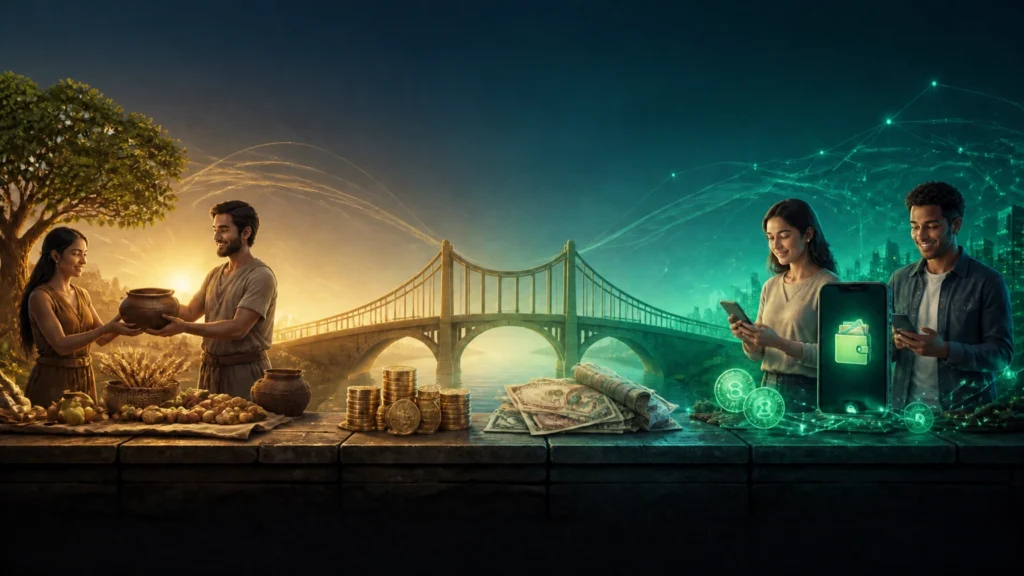
If you’ve felt like the traditional financial system is a bit… dusty, you’re not alone. The world is changing, and the way we manage our money is catching up. Welcome to the world of decentralized banking, often called DeFi (Decentralized Finance). It’s a modern approach that aims to put the power back in your hands, allowing you to "be your own bank."
But before you dive in, it’s important to understand the landscape. Here are 10 things you should know about this financial evolution.
Important Disclaimer
Before we jump in, let's keep it real: This article is for educational and informational purposes only. It is not financial, legal, or tax advice. WeFi DeoBanking is not a bank; we are an educational platform and a gateway to digital financial solutions. We do not provide FDIC insurance. Digital assets and decentralized systems carry significant risks, including the potential loss of principal. There are no guaranteed returns. Always do your own research (DYOR) and consider your personal financial situation before participating.
1. It’s All About Cutting Out the Middleman
In traditional banking, the bank sits in the middle of everything. They approve your loans, they hold your deposits, and they decide when you can access your funds. Decentralized banking uses blockchain technology to remove that middleman.
Instead of a building with a vault, you interact with software protocols. This shift is designed to make the system more efficient, transparent, and, most importantly, accessible to everyone, regardless of where they live.

2. You Are the Captain Now (Self-Custody)
One of the most empowering parts of decentralized banking is "self-custody." In a traditional bank, they "owe" you the money you deposited. In the decentralized world, you hold your assets in a digital wallet.
You own the "private keys" (basically the ultimate password). This means no one can freeze your account or tell you how to spend your money. However, it also means you are responsible for your own security. If you lose your keys, there’s no "forgot password" button at a local branch.
3. Open 24/7/365
The traditional financial markets go home on the weekends. They take holidays. They close at 5 PM. Decentralized banking never sleeps. Because it runs on global blockchain networks, you can move, trade, or manage your assets at 3 AM on a Sunday or on New Year's Day. The code doesn't need a coffee break.
4. Smart Contracts are the Secret Sauce
How do you ensure a loan is paid back if there’s no bank officer watching? The answer is Smart Contracts. These are pieces of code that automatically execute an action when certain conditions are met.
For example, a smart contract can hold collateral and automatically release it once a loan is repaid. It’s a way to create trust between strangers without needing a giant corporation to act as a referee.

5. It’s Global by Design
Traditional banks are often confined by borders. If you try to send money to another country, it can be a slow, expensive nightmare. Decentralized banking doesn't care about borders. Whether you’re in New York, Nairobi, or Tokyo, the system works exactly the same. This makes it a powerful tool for people who want to move assets internationally without the typical friction of "legacy" systems.
6. Transparency You Can Actually See
Have you ever tried to see exactly what a big bank does with your deposits? It’s nearly impossible for the average person. In decentralized banking, every transaction is recorded on a public ledger (the blockchain). While your personal identity remains private, the movement of funds is transparent. This level of openness helps ensure the system is operating honestly.
7. Stablecoins: The Bridge to Stability
Many people worry about the "rollercoaster" prices of some digital assets. That’s where stablecoins come in. These are digital assets designed to stay at a steady value (usually pegged to the US Dollar). They allow you to enjoy the speed and freedom of decentralized banking without the wild price swings. At WeFi, we focus heavily on helping people understand how to use these tools for everyday money management.
8. Lower Barriers to Entry
Traditional banking often requires a high credit score, a pile of paperwork, or a minimum balance just to open an account. Decentralized banking is "permissionless." If you have an internet connection and a smartphone, you’re in. This is a game-changer for the billions of people worldwide who are currently "underbanked."

9. A Different Kind of Risk
We have to be honest: with great freedom comes great responsibility. While you don't have to worry about a bank's "opening hours," you do have to worry about things like security. Smart contracts can have bugs, and the digital asset space can be a target for scammers. Unlike a traditional bank account, there is no government-backed insurance (like FDIC) to bail you out if something goes wrong. Education is your best defense.
10. The Learning Curve is Real
Decentralized banking feels like a new language at first. Terms like "gas fees," "liquidity pools," and "seed phrases" can feel overwhelming. But just like learning to use an ATM or a mobile banking app for the first time, it gets easier with practice. That’s exactly why we created WeFi DeoBanking, to simplify these concepts so you can navigate this new world with confidence.
Your Beginner’s Checklist
Ready to start exploring? Here is a simple way to get your feet wet safely:
- Educate Yourself: Read our FAQ and terminology guides.
- Start Small: Never move more than you are willing to lose while you are learning.
- Secure Your Tech: Use strong, unique passwords and two-factor authentication (2FA).
- Join the Community: Learning is easier when you do it with others. Join an educational session or follow a trusted guide.
- Stay Skeptical: If something sounds too good to be true (like "guaranteed 50% returns"), it probably is.
Frequently Asked Questions
Is decentralized banking legal?
In most parts of the world, participating in decentralized finance is perfectly legal. However, regulations are still evolving. Always check your local laws regarding digital assets and taxes.
How is this different from a crypto exchange?
A centralized exchange (like Coinbase or Binance) acts a bit like a bank, they hold your assets for you. Decentralized banking means you hold your own assets in your own wallet and interact directly with the blockchain.
Can I lose my money?
Yes. Because there is no FDIC insurance and the technology is still relatively new, there are risks involved. Technical failures, hacks, or losing your private keys can result in a loss of funds.
Final Thoughts: The Future is Yours to Build
The shift toward decentralized banking isn’t just about new technology; it’s about a new philosophy. It’s the idea that you should have total control over your hard-earned assets. It’s about building a system that is open to everyone, not just a select few.
At WeFi DeoBanking, we believe that financial freedom starts with education. We aren't here to push products; we're here to provide the map so you can navigate the modern digital economy on your own terms.

Ready to learn more?
Explore our full documentation or check out our About Us page to see how we’re making modern finance accessible to everyone.
Be your own bank. Control your future.